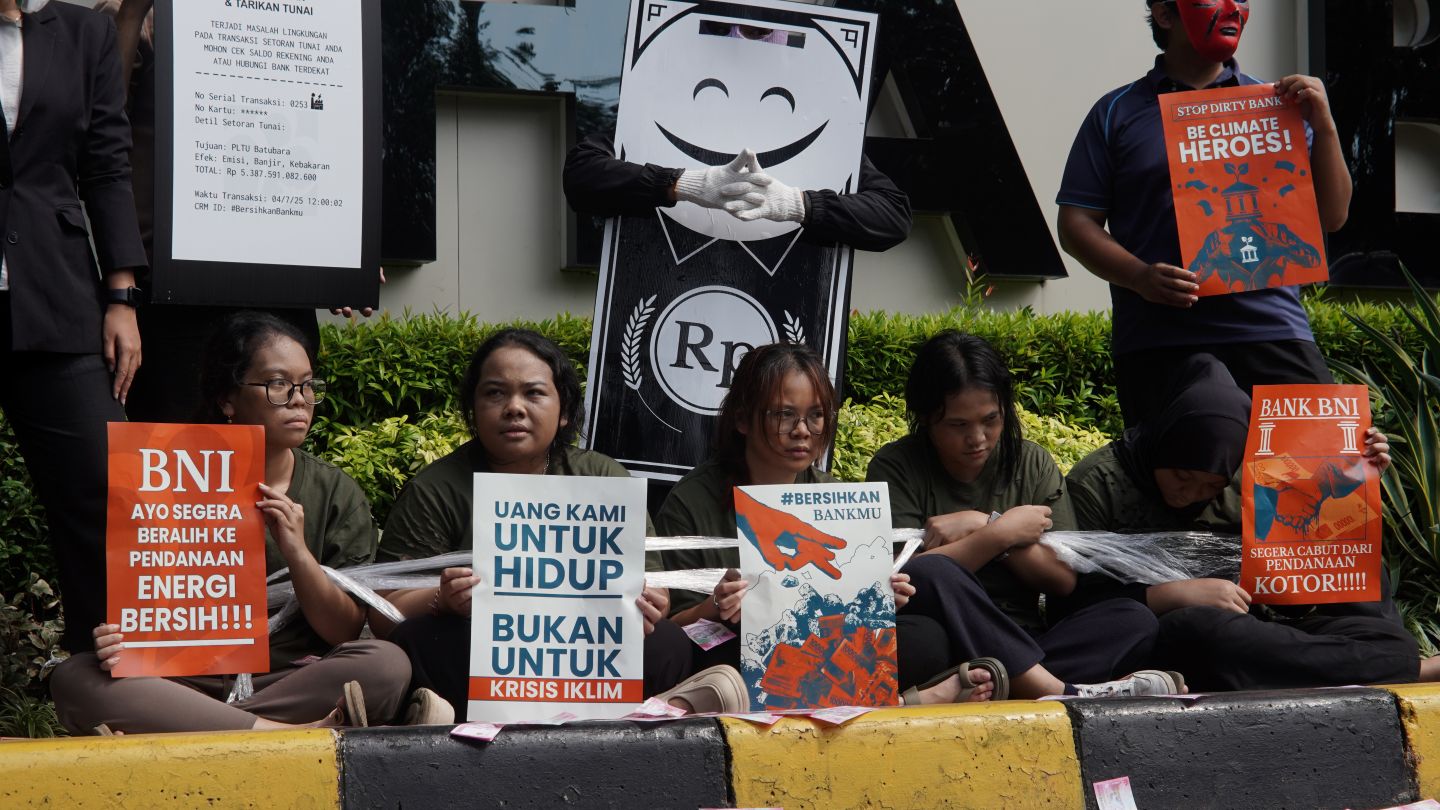


Banks Are Funding Dirty Industries Using Your Money!
Your banking choices have a big impact on the planet, so it's time to do your part to change for a better future.
Getting in on the ActionBanks Are Funding Dirty Industries Using Your Money!
While you're saving for the future, your bank is lending you money to burn the earth. Many international banks have stopped financing the coal industry because they know the risks. Why hasn't your bank?
#BersihkanBankmu Campaign
A Collective Movement Demanding Clean Banks
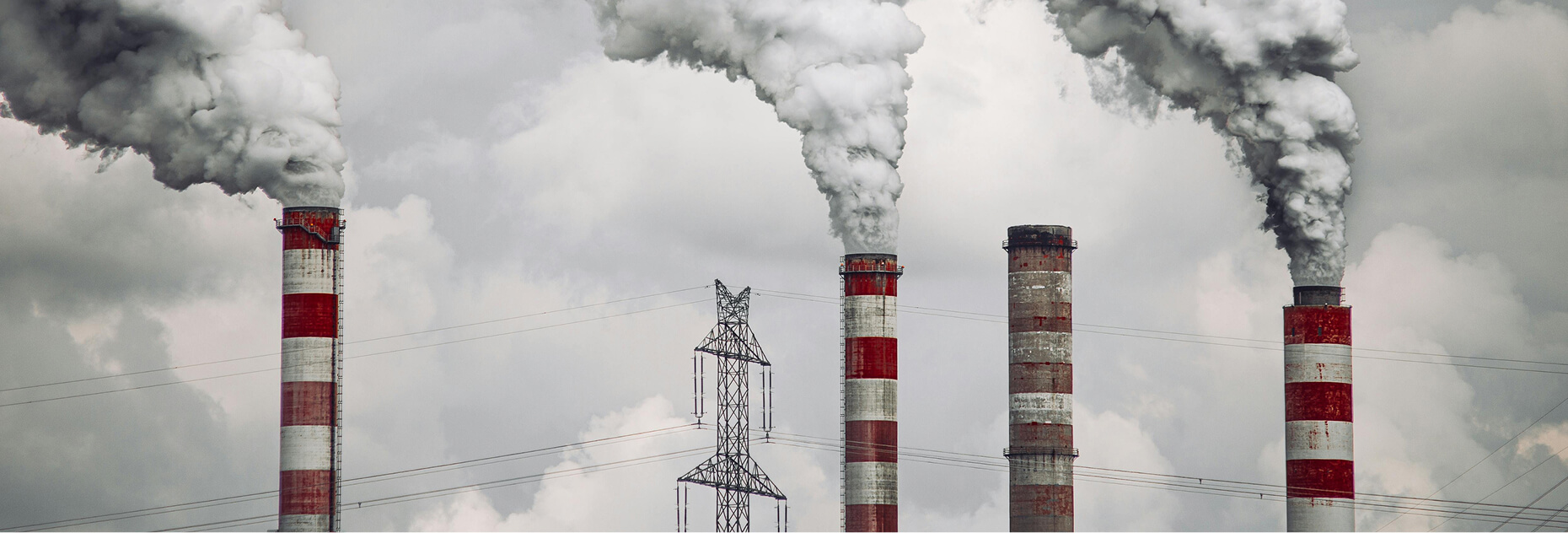
This initiative was born out of unrest: the money we entrust to banks is being used to finance polluting businesses that have the potential to cause damage to nature and health problems in our lives.
Through this campaign, we invite the public, especially bank customers, to take a stand, demanding that banks stop financing coal businesses and start investing in clean energy.
This campaign is not just about environmental issues. It's about a viable future for us and the next generation.
Our Money Helps Sustain Dirty Energy
Every time we save, there's a chance that money is going to coal companies, financing pollution, mining and the climate crisis.
As long as banks continue to channel funds to dirty industries, we as customers are very likely to be part of the destruction of nature.

Health and Death Threats
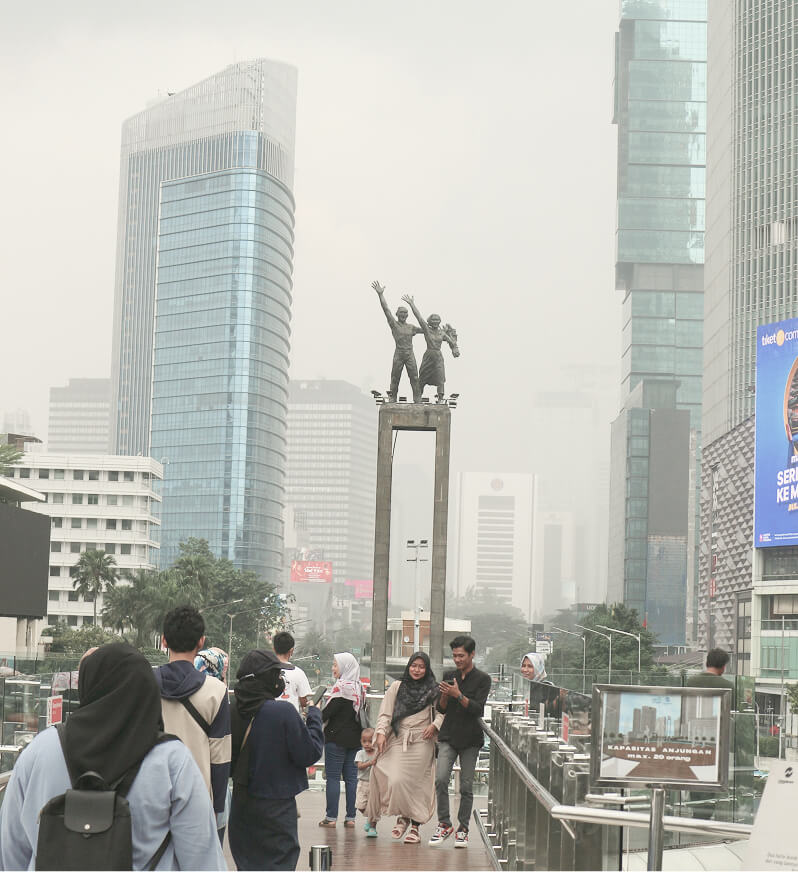
Pollution from power plants has killed more than 6,500 people. Ironically, part of the cost comes from our savings in the banks that finance these projects.

Lost Forests and Water
Every loan to the coal industry means forests are lost and water is polluted. When banks channel investment and financing to coal businesses, our money is being used.

Sacrificed Food
Coal mining is displacing agricultural land. If it doesn't stop, rice supply could drop by up to 6 million tonnes per year and rice prices could rise.

The Economic Burden We Bear
Coal energy looks cheap, but the public pays the price through our taxes and electricity tariffs. Bank funds flowing into coal prolong this dependency.
Indonesia Still Depends on Fossil Energy
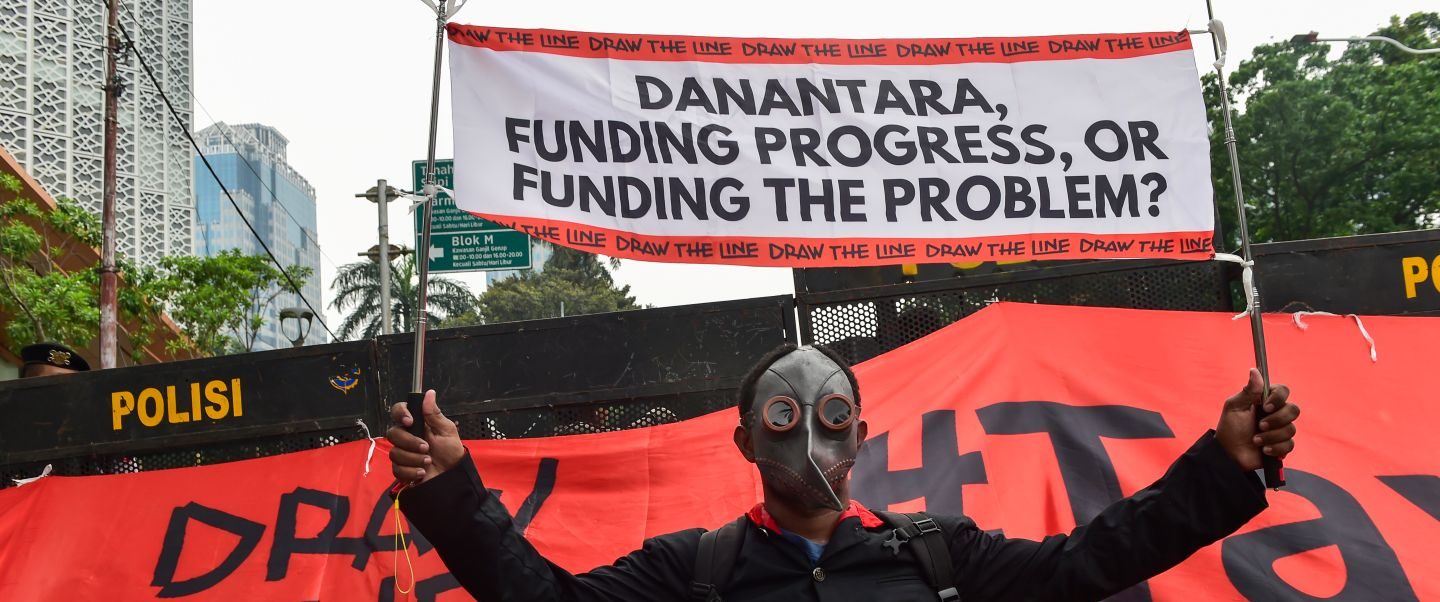
"Currently, the government is committed to energy transition, but in reality there is a huge paradox. On the one hand, the government and other institutions talk about clean and renewable energy transition and so on, but on the other hand, in the financial sector in particular, public money still supports the coal industry."
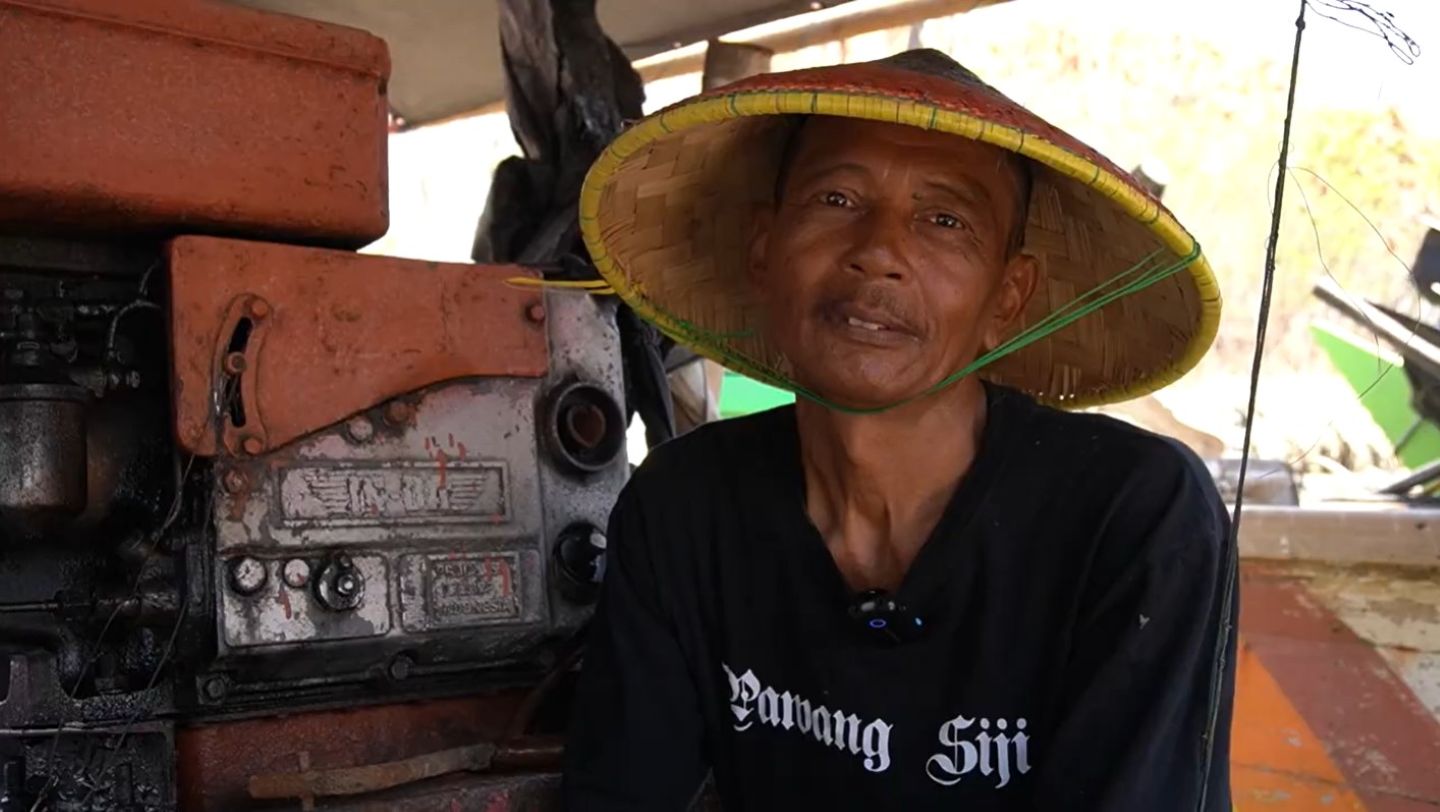
"I've been coughing because of the coal-fired power plant. I have trouble breathing. When I'm sick, I can't go fishing. When the power plant discharges its waste, we don't get any catch. The fish die, and the crabs don't get caught in the nets."
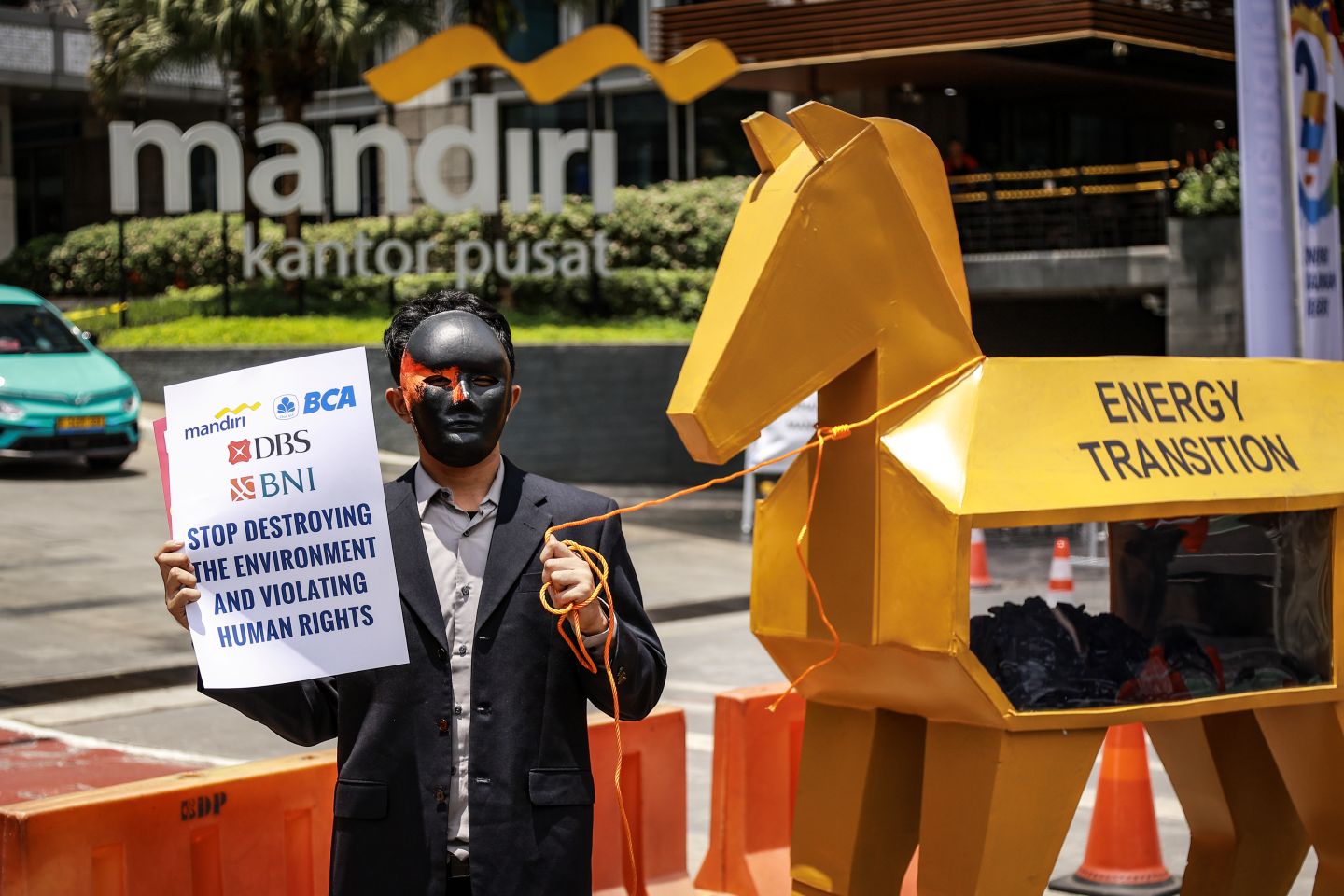
"Those banks also contribute significantly to the construction of coal-fired power plants. As customers, we also have the right to ask all these banks to be accountable."
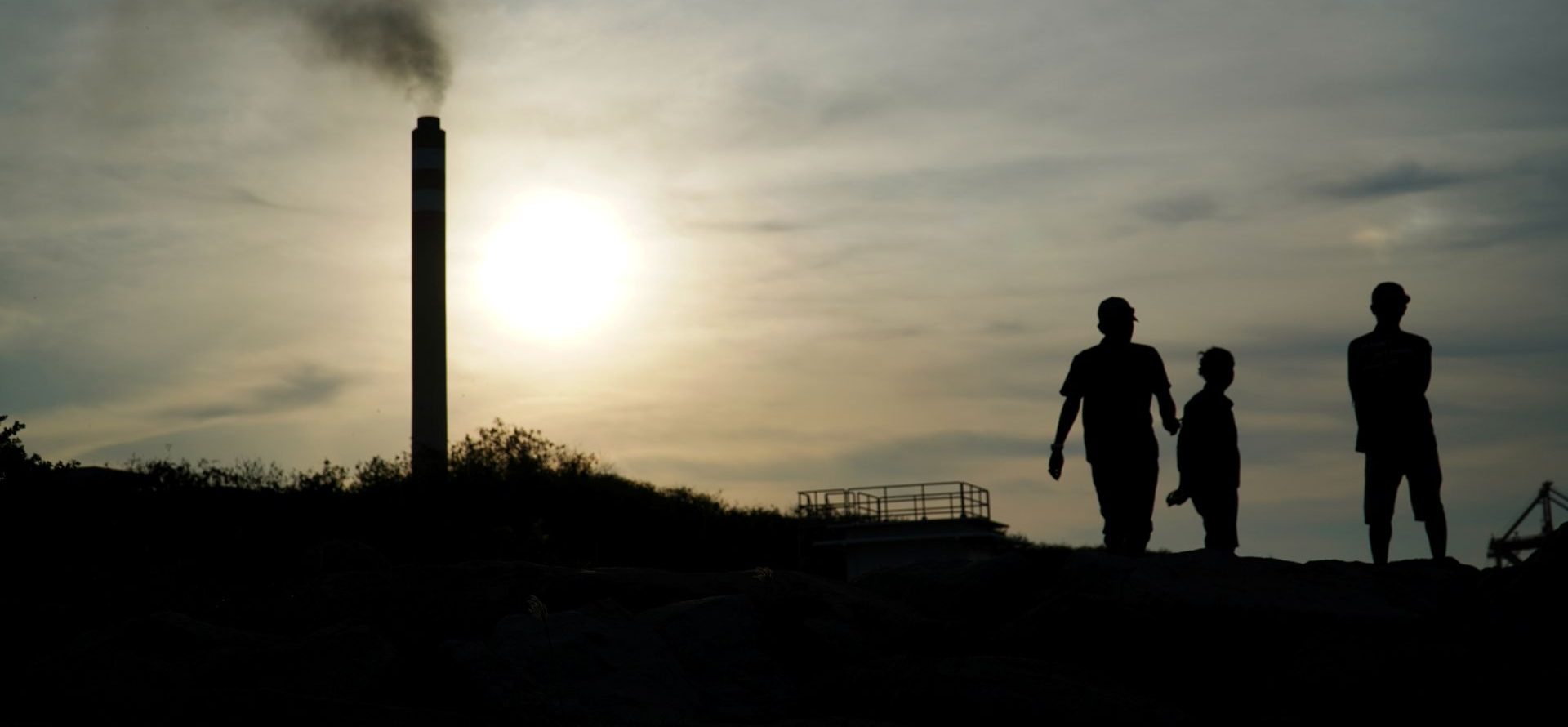
"Protecting the coal industry with DMO coal prices and so on is somewhat risky because the world is currently moving (towards renewable energy). Instead of pouring more money into coal, why not support other projects that are more in line with global trends?"
Contribute Now!
We support clean air and the preservation of Indonesia's environment. Unfortunately, there are still five banks financing the environmentally unfriendly coal sector.





You, I, and All of Us can pressure Banks and the Government to change!
Banks care about their image and the trust of their customers. If thousands of people speak out, they can no longer pretend to be green. Together, we can stop funding coal and start the transition to clean energy. Sign the petition now. Make your money part of the solution, not the pollution.
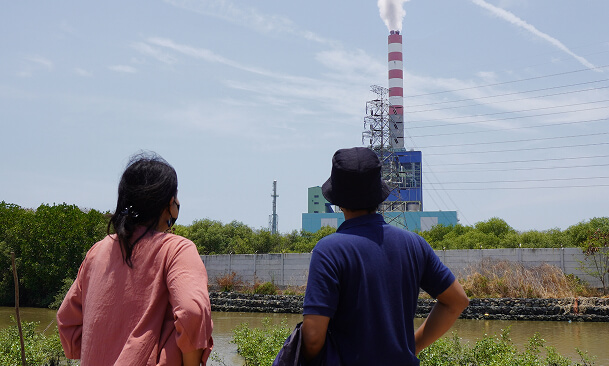
Help Change the Direction of Our Money
By sharing this campaign using the hashtag #BersihkanBankmu, you are helping to drive real change. Your voice can be a reminder to banks: customers care about the future of the planet. Let's spread the awareness so that our money stops financing pollution and starts building hope!
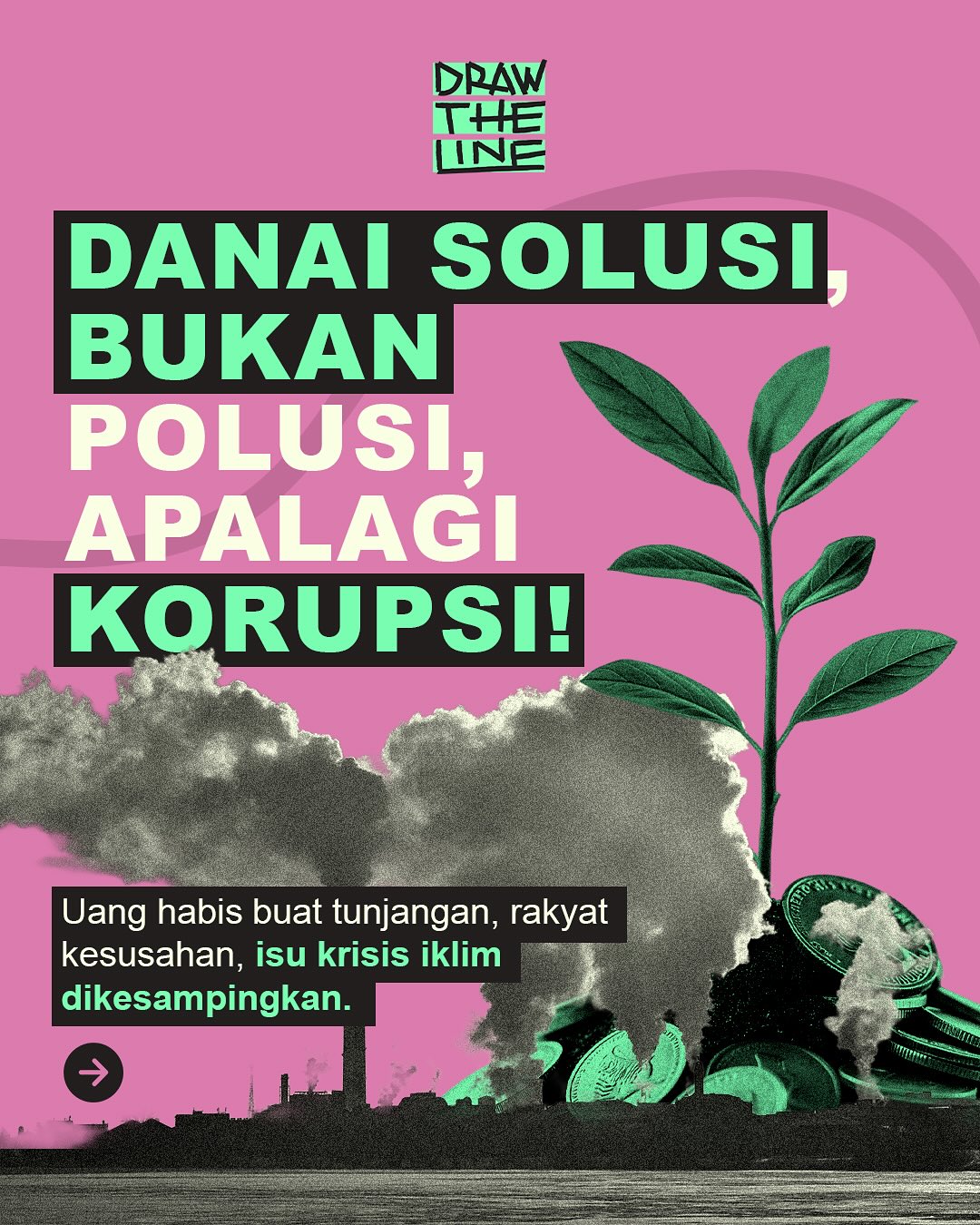


Follow the Latest Updates on Our Campaign
Banks Should Stop Funding Coal-Powered Nickel of Harita Group
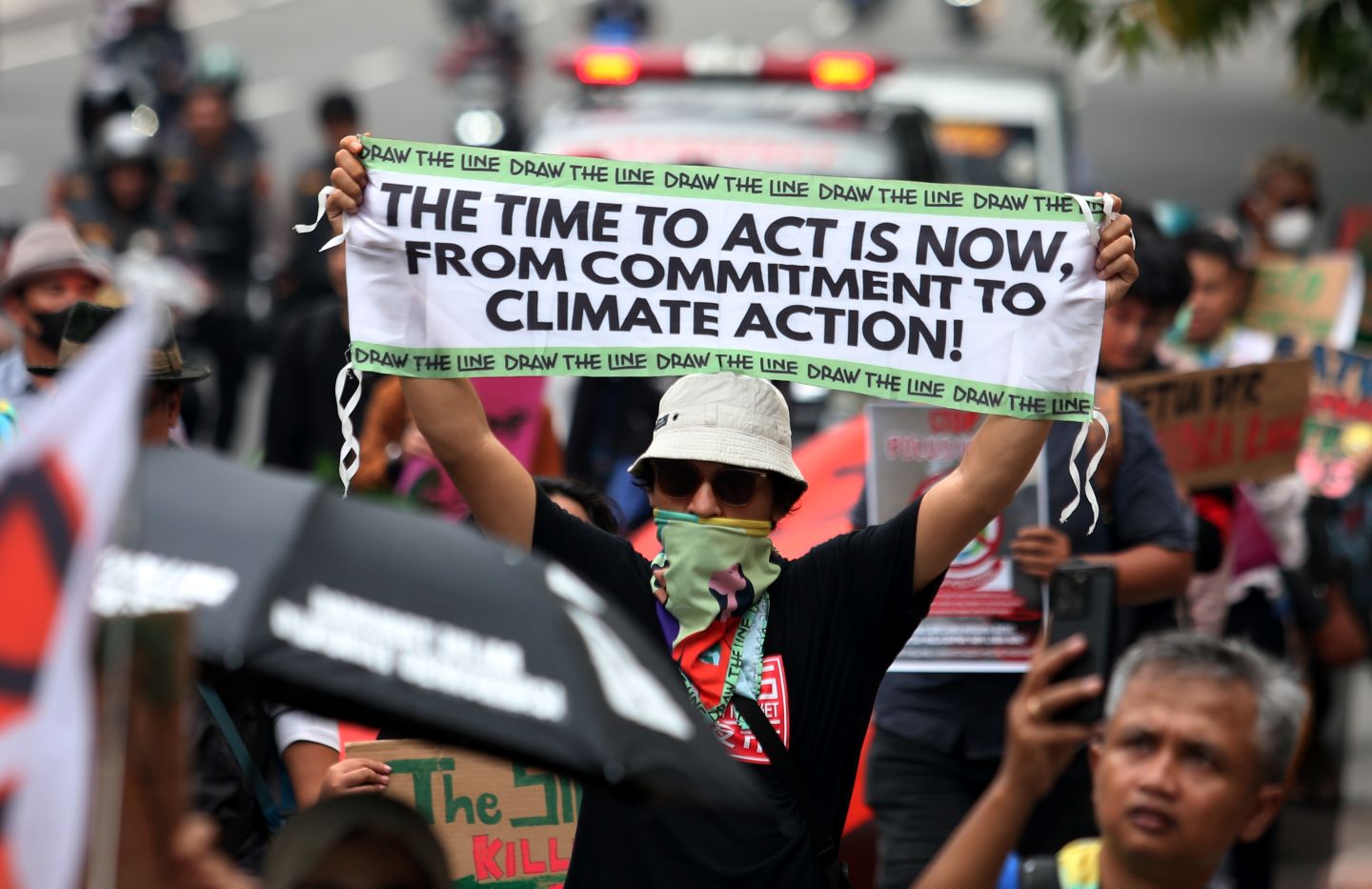
Climate Crisis Becomes a Burden on the People, Government Must Take...